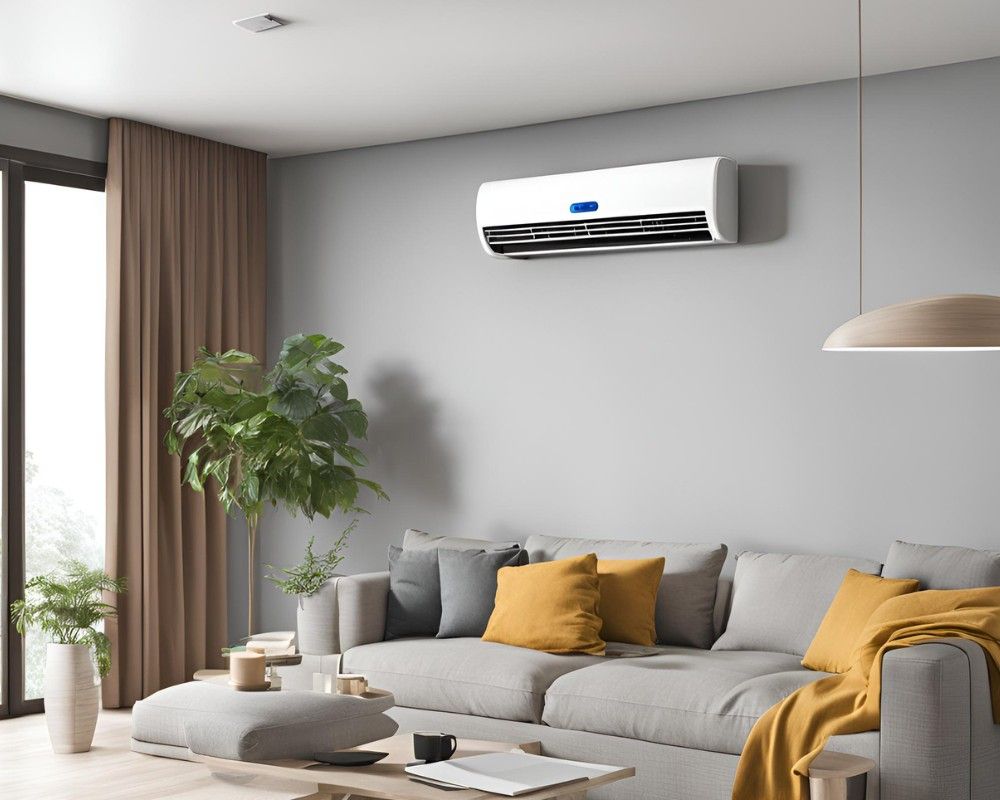
As the summer of 2026 is approaching soon, heat and humidity is rising as well, especially in tropical areas like Singapore. Your air conditioning is your only lifeline to survive such intense heat and humidity for your health and comfort. Preparing your air conditioning for summer in 2026 isn't just a seasonal chore, it is a strategic investment that will boost efficiency, slashes energy costs up to almost 30 percent and also prevents costly breakdowns during heightened usage.
Neglecting servicing your air conditioning can make your bills higher, creates poor air quality and makes your night uncomfortable when the temperature rises.
Preparing your air conditioning for summer in 2026 starts with understanding the stakes here. Modern AC units, whether it be split systems, window units, or central setups that are common in Singapore condos and landed homes, face unique challenges from high humidity that often rises up to 80 - 90% and dust from urban construction.
Without any preparation, efficiency of the appliance drops, compressors have to overwork, and refrigerant leaks become a common occurrence, leading to repairs costing more than 200 - 500 SGD. Taking early action in February or March, before the April heatwave hits, allows time for fixes without the rush fees. Studies show that well-maintained units use 15% less electricity than the ones that aren’t, making savings of almost 50 - 100 SGD monthly on average household bills. Plus, clean systems filter out allergens, reducing asthma risks in family homes.
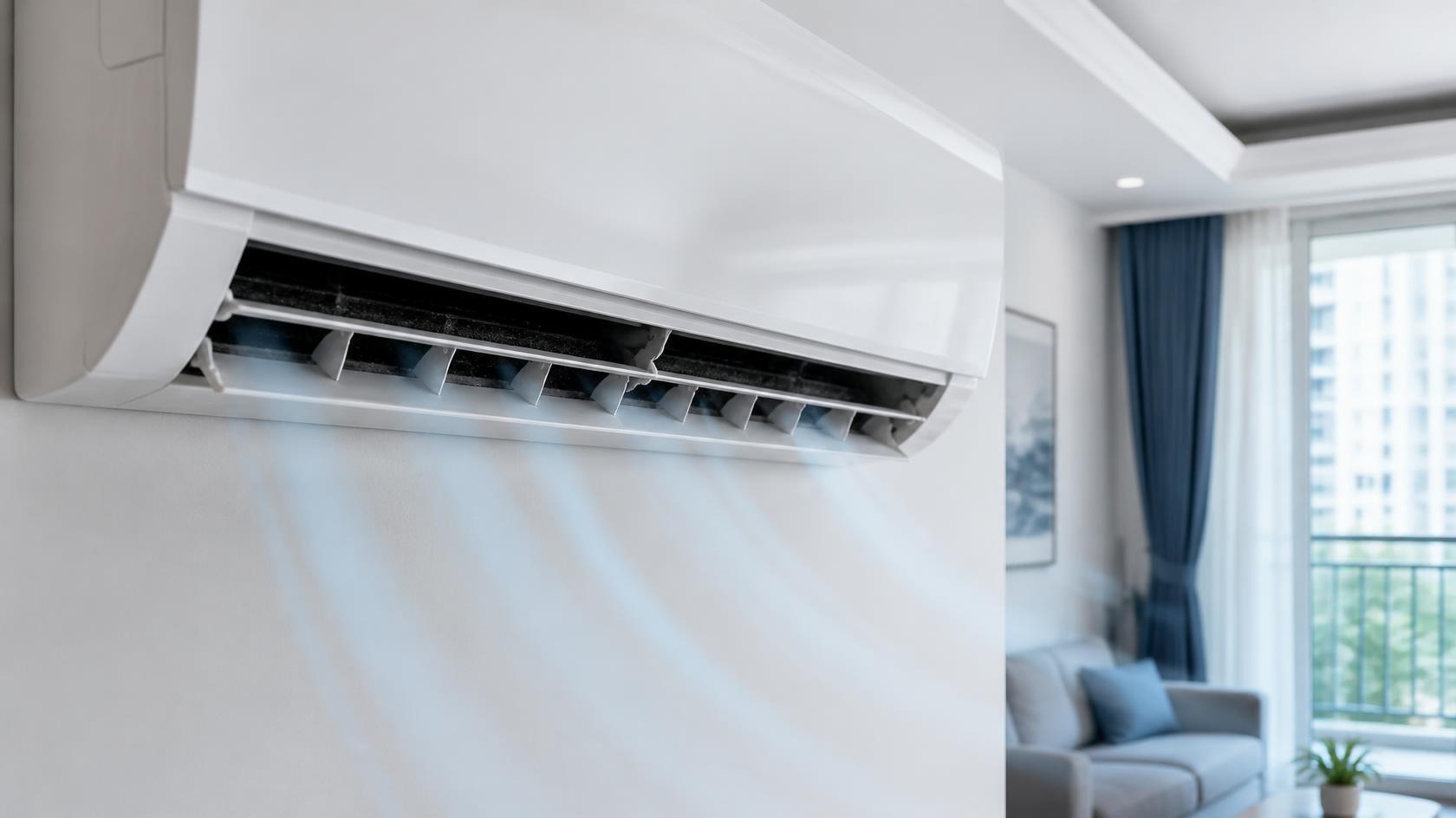
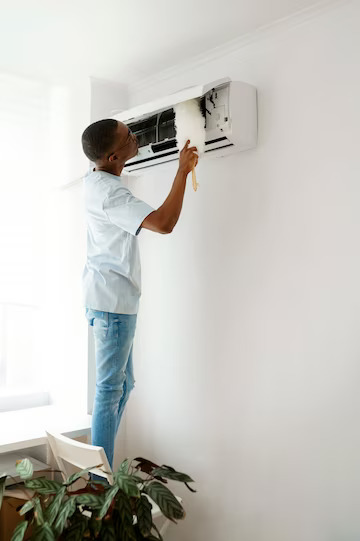
Air filters are your AC's first defense against dust, pollen, and pet furs, but they clog fast in humid environments. You can start by turning off the unit and removing filters - usually behind the front panel in split systems. Inspect for any gray buildup; if visible, try vacuuming first with a brush attachment, then wash reusable ones in warm soapy water, rinsing until clear. Dry completely for at least 24 hours, before reinstalling to avoid formation of any kinds of mold. For disposables, replace every 1-3 months during summer and stock up on high - MERV rated filters for better capture without restricting airflow.
Why does this matter? Having dirty filters forces the blower to strain, raising energy use by 15 percent and reducing cooling by 10 - 20 percent. In a 120sqm HDB flat, this could mean 2 - 3 extra hours of runtime daily.
Pro tip: Label installation dates with a marker for tracking. If you're in a dusty area near construction sites, clean bi-weekly. This simple 15-minute task alone can extend your AC's life by 2-5 years.
DIY has its own limits. Book a licensed technician for a full AC service, costing around 80 - 150 SGD, ideally before March. They'll check refrigerant levels, top up if low, and inspect electricals for faults. Coils get deep-cleaned, evaporator with chemical foam to kill bacteria and/or mold, clean condenser with high - pressure wash to remove dirt.
Because of Singapore’s humidity, blocked drains can breed a kind of bacteria that can lead to “Sick building syndrome”. Techs flush drains and add anti-bacterial treatments. They'll also test capacitors, fans, and thermostats, spotting wear like frayed wires that could spark fires. Annual servicing complies with NEA guidelines and maintains warranty validity. Schedule via apps like Kaodim for vetted pros with reviews.
Your outdoor condenser unit hates obstruction. Trim bushes, vines, or creepers to 60cm clearance on sides/top—overgrowth blocks 30% of airflow, overheating the compressor. Gently hose the metal slats from inside out, using low pressure to avoid bending; straighten any dents with a fin comb. Remove leaves, twigs, or bird nests, common after monsoon season.
Ensure 2ft space from walls for "breathing room." In balcony setups, avoid direct sun reflection from neighboring glass—add a shade canopy if needed. This step improves heat dissipation, dropping runtime by 10% and noise levels. For ground-level units in landed properties, elevate on pads to prevent flooding during heavy rains forecasted for 2026 summers.
Thermostats dictate efficiency—set to 24-26°C for Singapore's climate, balancing comfort and savings, each 1°C higher saves 6-10% energy. Test by feeling vents: cool air should be 10-15°C colder than room temp. Upgrade to smart models like Nest or Ecobee for geo-fencing, scheduling, and app alerts on filter life.
Program "away mode" to 28°C when out, and use ceiling fans to raise effective temp by 4°C without discomfort. Avoid frequent adjustments—they cycle the compressor inefficiently. In multi-zone homes, zone controls prevent overcooling unused rooms.
Ducts in false ceilings leak 20-30% of cool air if unsealed. Crawl into tape joints with mastic sealant. Clean vents/grilles with microfiber and vacuum; replace if rusty. Check window frames/doors for gaps—apply silicone caulk or weatherstripping.
Home-wide seals keep heat out, reducing AC load by 25%. Use a thermal camera app to spot leaks via infrared. This is crucial for energy-efficient homes targeting BCA Green Mark standards.
Early testing prevents surprises: Run at full for 30 minutes on a 30°C day. Check airflow, temps, and sounds. Ice on coils? Shut off—likely low refrigerant. Uneven cooling points to duct issues or dirty blowers.
Use a hygrometer to ensure 40-60% indoor humidity; dehumidify mode if higher. Log metrics weekly via apps like Sensibo for trends. Early fixes cost 50% less than emergency calls.
Complement hardware with behavior: Draw blackout curtains 10am-4pm, run laundry/dishwashers at night, and upgrade LEDs. Maintain 50% occupancy ventilation for fresh air without strain. Smart plugs automate fans/AC cutoffs.
In 2026, with rising SP Group tariffs, these habits could save 300 SGDs a year per household.
Straighten condenser fins meticulously—bent ones cut efficiency 25%. Monitor refrigerant pressures. For inverters, firmware updates via manufacturer apps optimize algorithms. Insulate exposed pipes to prevent condensation drips.
For seamless, professional preparing your air conditioning for summer in 2026, trust Magic Build, Singapore's go-to handyman service for AC, plumbing, and electrical needs. Their certified technicians deliver thorough inspections, chemical washes, refrigerant recharges, and installations using premium parts, all at transparent pricing with no hidden fees. Specializing in humid tropical conditions, they handle everything from HDB quick-fixes to luxury condo overhauls, ensuring 100% uptime with 24/7 emergency response. Homeowners rave about their punctuality, eco-friendly methods, and post-service guarantees—book now via their site for a free quote and stay cool confidently all summer.
Subscribe to our newsletter to get inbox notifications