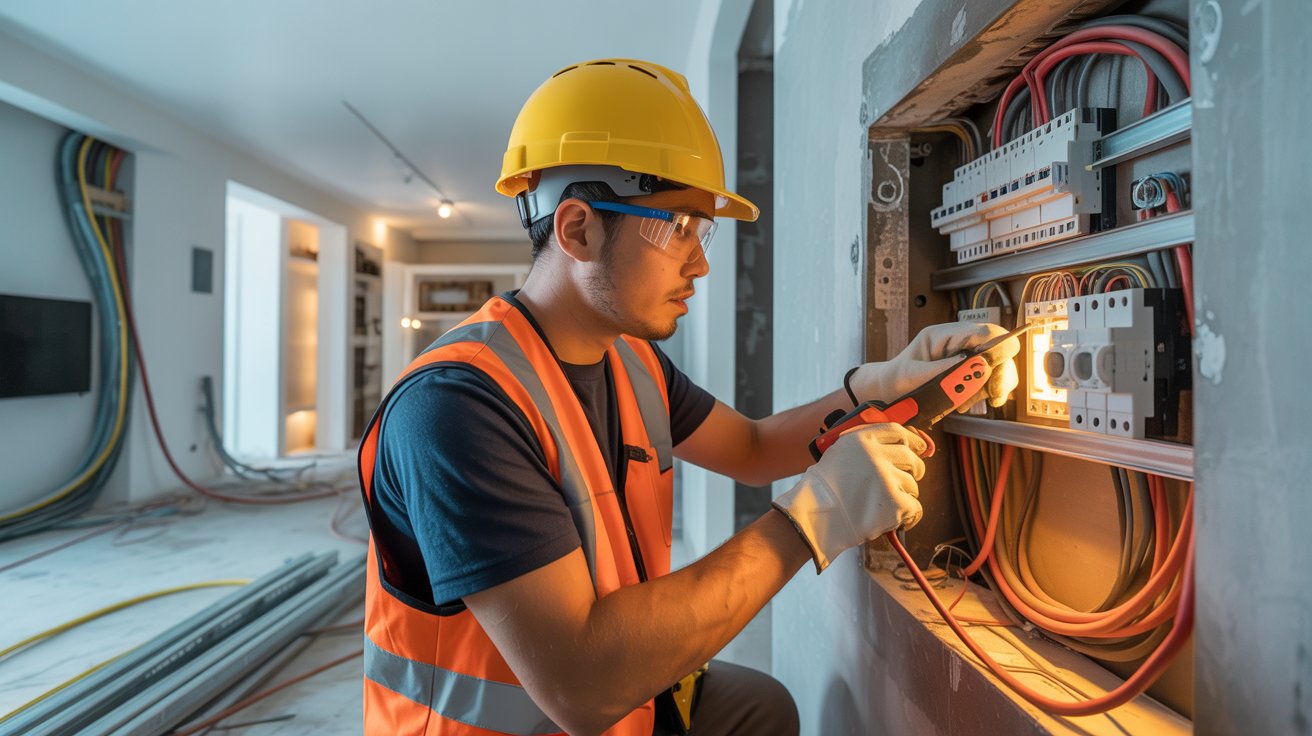
Renovation is the perfect time to upgrade your home's electrical system, but it is also when mistakes are most likely to happen. From poor planning to improper installations, electrical errors during renovation can lead to short circuits, fire hazards, and costly repairs down the line. Accidents caused by overlooked electrical details are far too common, and many could easily be avoided with the right knowledge. Here are the top 10 electrical mistakes homeowners make during renovation and how you can steer clear of them to ensure a safe and compliant home.
Home renovations have the power to turn your dwelling into a contemporary and functional paradise suited for your unique preferences, but errors made when dealing with electricity in the process may result in severe problems such as fires, electrocution, and even overloaded circuits. Such mistakes not only lead to permanent damage of household appliances ranging from refrigerators with burnt circuit boards to air conditioners with malfunctioning motors but also incur additional costs that add up and cost you thousands of dollars. Overlooking basic issues such as the capability of wires to withstand electrical load in small HDB apartments and condominiums with a variety of electronic equipment and air conditioning systems will undoubtedly turn a positive experience into a frustrating one.
However, avoiding such common errors will ensure smooth progress, minimize disturbance during the process, and provide reliable systems that reduce energy consumption and consequently save money on monthly bills. You can achieve such goals through a professional assessment to determine requirements, purchase equipment that meets SS 638 specifications, and engage licensed professionals with EMA certification. If you are also looking to understand how to keep your home protected on a day to day basis, our guide on Tips to Keep Your Home Safe From Electrical Hazards is a helpful read before you begin your renovation journey.
Another error that causes inefficiency, violation of laws, and higher costs is the absence of appropriate planning. People frequently do not plan for future needs, such as adding more power outlets for Internet-of-things devices or kitchen utensils during home renovation in Singapore.
For efficient planning, homeowners should first develop an electrical diagram with information about outlet locations, switch locations, and wiring. Electrical loading calculations allow avoiding the overload, especially during the renovation of older HDBs with aged electrical wiring system installations. Consulting specialists in the field guarantee compliance with the necessary regulations, such as SS 638 in Singapore. Making drawings also allows taking into account future furniture placement and electrical connection installations. For instance, preparing layouts for car-charging stations and other electrical installations during the renovation process becomes possible.
Overloading occurs because of excessive installation of wattage appliances, which may lead to overheating and tripping, even fires. In Singapore, maximum circuits that can carry load not more than 2,400 watts, and each aircon consumes roughly 1,500 to 2,000 watts.
The solution to avoid overloading is load balancing, where there will be proper distribution of electrical appliances like rice cookers and chargers across circuits. Check whether the circuit is overloaded and label your breakers so they are easy to identify. If there is any remodeling work, consider upgrading your panel and installing dedicated circuits, particularly for kitchen areas and laundry sections. In older homes where the wiring may no longer support modern electrical demands, professional electrical rewiring is strongly recommended before adding new appliances or circuits. Avoid daisy chaining of power strips after renovations as it causes insulation burning and increases the risk of circuit failure.
Failure to heed the stringent laws regarding electricity usage, imposed by the EMA and SCDF, will lead to non-compliance, resulting in fines and dangers. Unauthorized works contravene the Electricity Act, and electrical fires account for more than 30% of all home accidents. Ensure that you employ licensed electricians conversant with the CP 15 and SS 638 standards in all wiring, earthing, and residual current devices installations.
Ensure compliance with all regulations through BQ/Practical Completion checks. Regulations require GFCI sockets in all moisture-prone locations and appropriate cable sizes. You will face insurance nullification should you fail to meet all regulations. You must get the relevant permits for renovations on your HDB/construction.
Poorly connected wires lead to resistance, overheating, sparks, and short circuiting, causing silent damage to home appliances. Exposed copper in connector cables may cause malfunctions when doing remodeling.
Always use wire nuts or push-in connectors with no loose wiring exposed. Always ensure you leave some 6 inches of wires inside your junction boxes. Testing connections using multimeters before covering walls helps a lot. Professional electricians eliminate arcing to increase the lifespan of home appliances.
Incorrect gauge and type of wires such as undersized wires used in 20-amp wiring result in overheating and insulation failure. Poor-quality wires are like cheap tyres that wear out quickly and supply erratic electricity.
Ensure proper sizing of wire according to load, e.g., 12 AWG for 20 Amps and 14 AWG for 15 Amps. Go for wires with PVC coating and high-temperature resistance and ensure they meet Singaporean standards. Don’t combine different types of wires.
Short wire lengths make connections difficult to establish securely, which makes servicing problematic and increases the risk of loose connections. Future repairs turn into nightmares when hidden within walls.
Allowing 6 to 8 inches of slack in electrical boxes provides ease during pulling and connecting. Planning ahead will reduce cutting during installation.
Poor grounding causes electrical accidents, surges, and device breakdowns, particularly sensitive electronic devices. Hundreds lose their lives yearly due to inadequate grounding on Earth.
Make use of quality grounding rods, which should be grounded to the metal cabinets/GFCIs installed in the kitchen and bathroom. Testing should involve earth loop testing. Upgrade is very necessary for houses over 20 years old. Getting the help of a professional electrical handyman ensures that the grounding is done correctly, safely, and in compliance with local regulations.
Splicing wires openly violates codes and sparks uncontained fires. Boxes protect connections from damage.
Use approved junction boxes with secure covers for all splices. Mount properly in walls/ceilings. This contains arcs and prevents contact. Essential for Singapore safety inspections.
The absence of labeling leads to complications during debugging, leading to faulty upgrades. Colored wires and tags are essential.
Wires should be marked using tape, stickers, or panels. Document installation with photos. It makes things easier when doing maintenance or selling your home.
Having too few sockets leads to the excessive use of extension cables. This is among the most common post-renovation regret in Singapore.
"Rule of Threes": Plan extra sockets in kitchen, media, etc. Design in consideration of furniture so that there are no obstructions. It is easier to cap off any excess sockets than trying to install more later.
When it comes to electrical work during renovation, cutting corners is never an option. MagicBuild is the reliable renovation specialist in Singapore who will help you create your perfect home with flawless installations. Whether you are renovating a compact HDB flat or a luxurious condominium, our team of licensed electricians ensures that every wire, circuit, and connection is handled with precision and care.
If you are planning a renovation and want to avoid the common electrical mistakes that cost homeowners thousands of dollars, contact us today for reliable electrical services in Singapore and let our experts take care of everything from start to finish.
Subscribe to our newsletter to get inbox notifications